Privacy Policy vs. Privacy Notice: They're Not the Same Thing — And Confusing Them Is a Compliance Gap

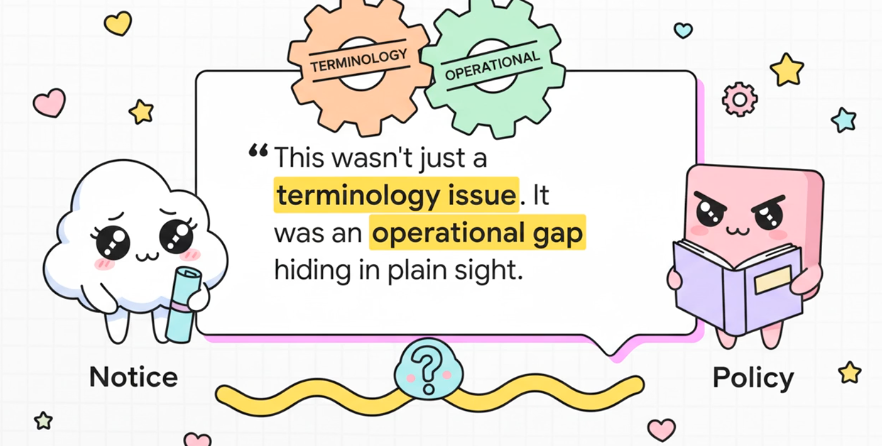
Most privacy professionals use the word "notice" as if it means one thing.
It doesn't.
And the organisations that haven't figured that out yet are operating with a document masquerading as a privacy program.
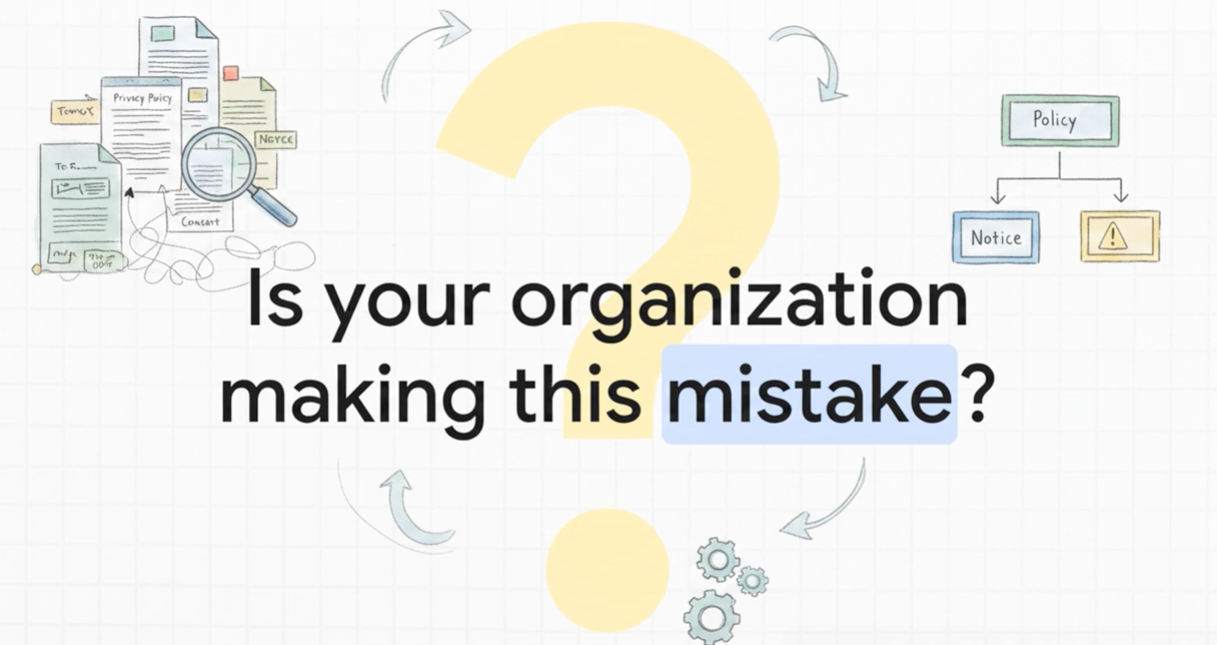
Let's fix that.
First: The Distinction Most People Blur
Before we get into the taxonomy of notices, we need to clear the foundational confusion — one that shows up in vendor contracts, internal policies, and even regulatory submissions.
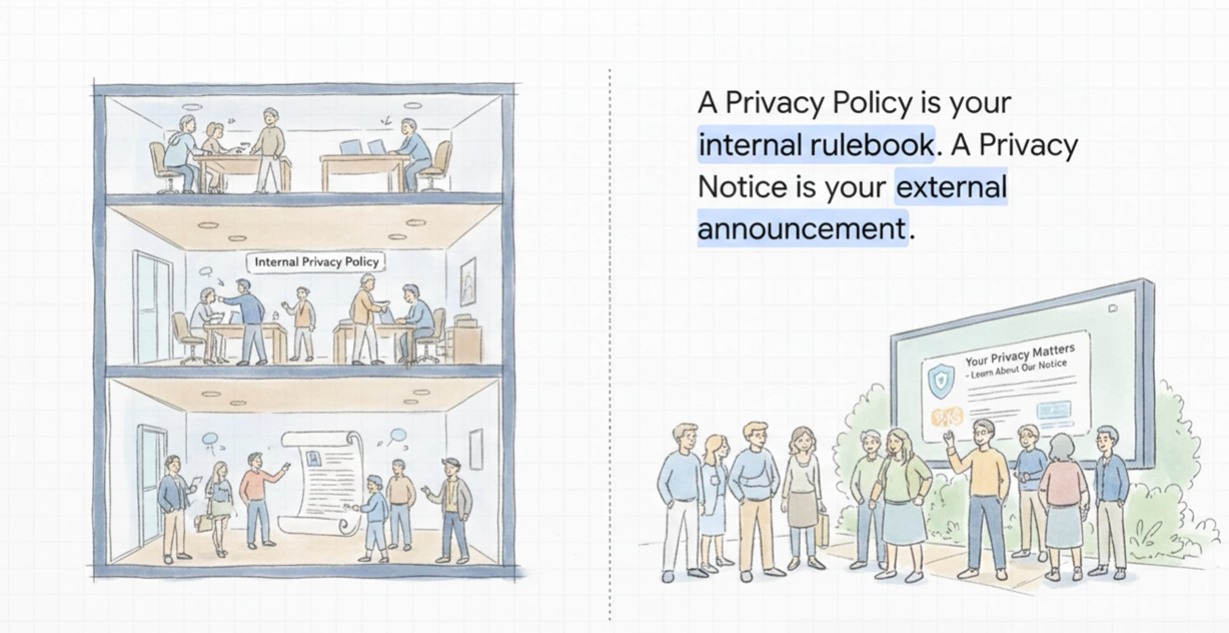
A Privacy Policy is an internal governance document.
It describes how your organisation commits to handling personal data. It's written for you — your teams, your leadership, your auditors. It answers: What are our obligations? What standards do we hold ourselves to? How do we operationalise data protection? Think of it as your internal data protection rulebook.
A Privacy Notice is an external-facing transparency instrument.
It tells the individuals whose data you collect what you're doing with their data, why, and what their rights are. It answers: What should the data subject know? It's written for them — the user, the employee, the customer, the visitor. It exists because transparency isn't optional under most modern privacy frameworks.
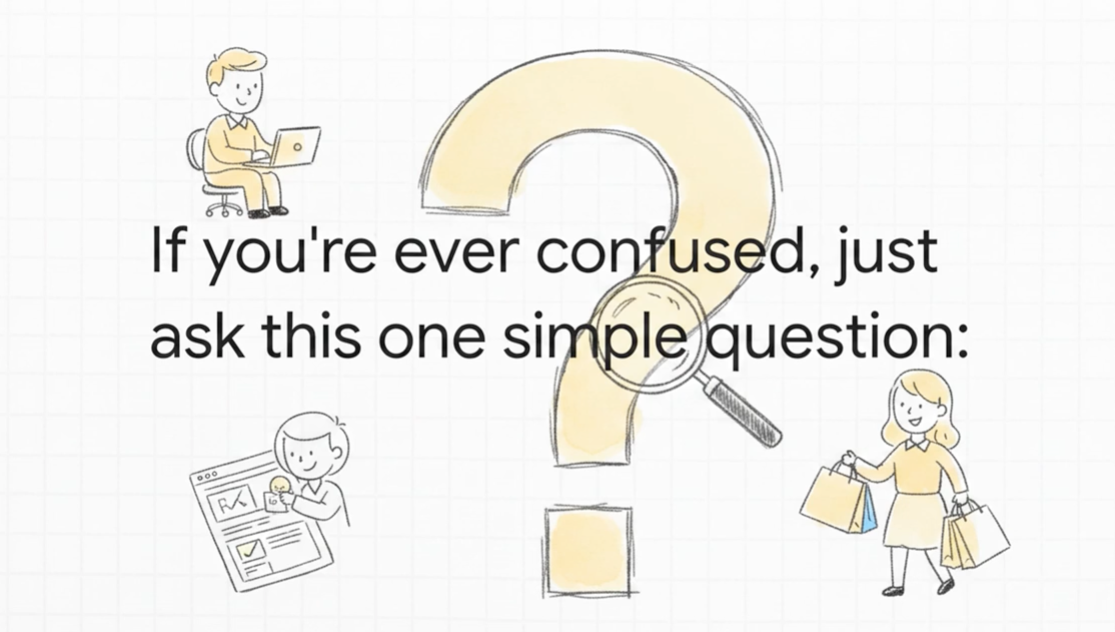
Here's the test: Who is the reader?
| Privacy Policy | Privacy Notice | |
|---|---|---|
| Audience | Internal — staff, leadership, auditors | External — data subjects |
| Purpose | Internal governance and accountability | Transparency and legal obligation |
| Legal basis | Accountability principle (GDPR Art. 5(2)) | Information rights (GDPR Art. 13/14, DPDPA Sec. 5) |
| Tone | Formal operational language | Clear, plain language for the layperson |
| Trigger | Policy lifecycle / audit / regulatory change | Point of data collection or before processing begins |
They can coexist in the same document — some organisations combine them into a publicly available "Privacy Statement." But they are not the same thing, and treating them as interchangeable is the first mistake. The second is more consequential.
The Second Mistake: Treating "Privacy Notice" as a Single Category
Here is where most compliance programmes quietly fall apart.
"Privacy notice" is not a singular object. It's a class of instruments, each with its own trigger event, audience, legal basis, and content requirements. Deploying the wrong notice for the context isn't a minor drafting inconsistency — it's a compliance gap. You can have the right intent and still violate the law because you used the wrong instrument for the situation.
There are five distinct notice types every privacy professional needs to distinguish.
The Five Types of Privacy Notices
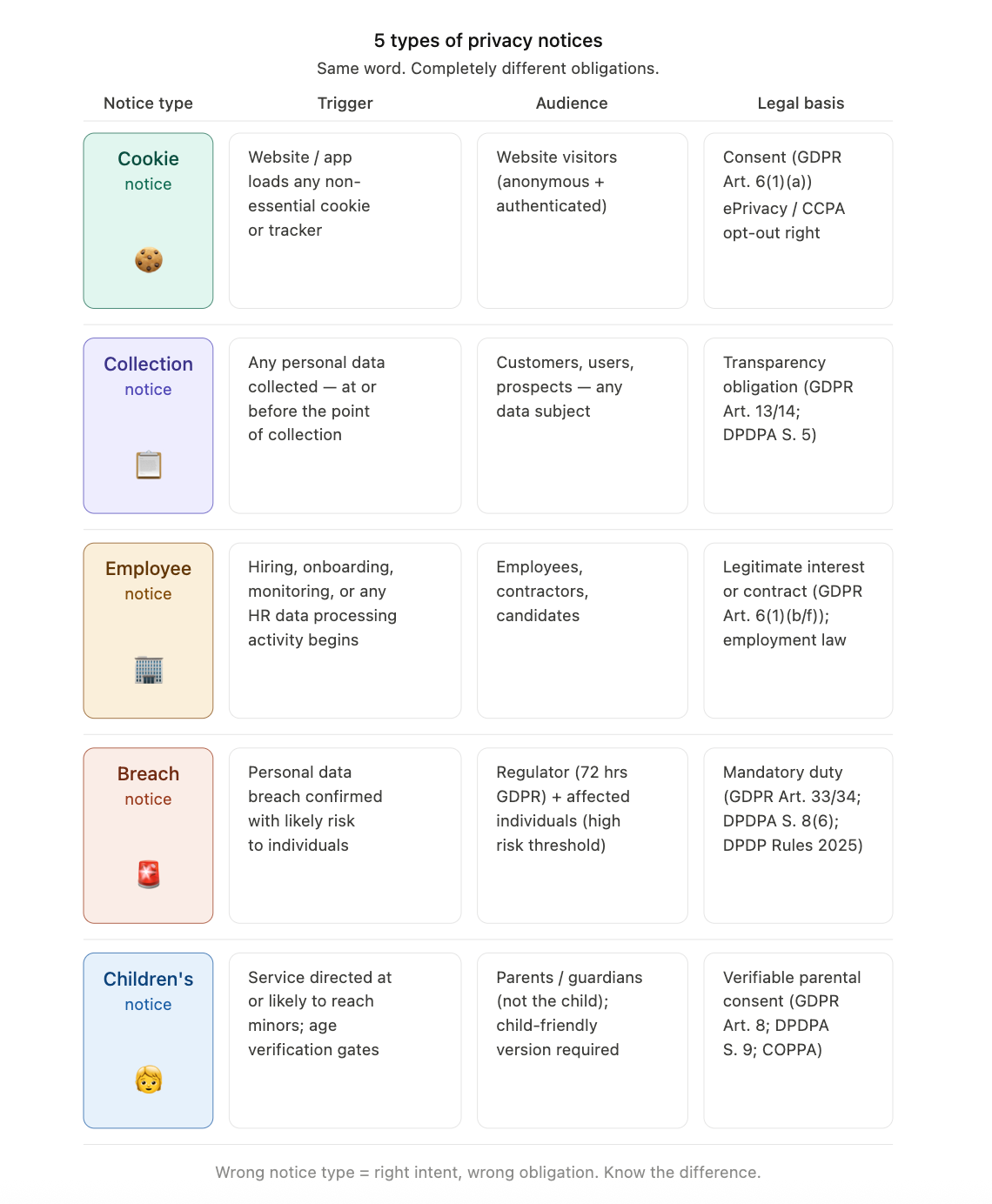
1. Cookie Notice (Consent Notice)
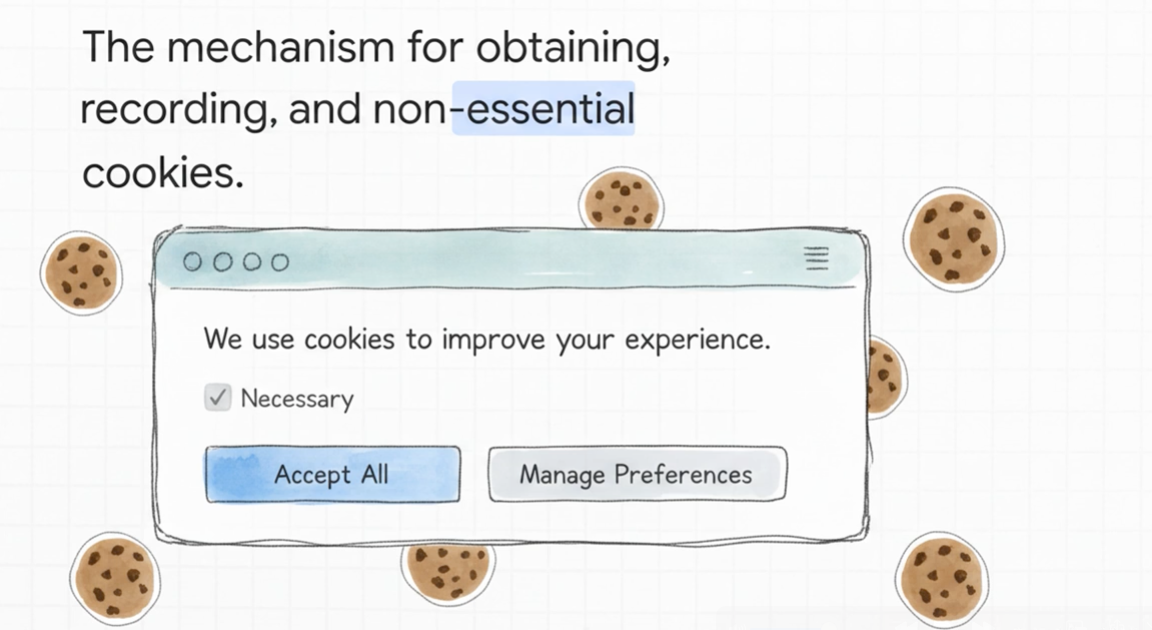
What it is: The mechanism through which you obtain, record, and manage user consent for non-essential cookies and tracking technologies.
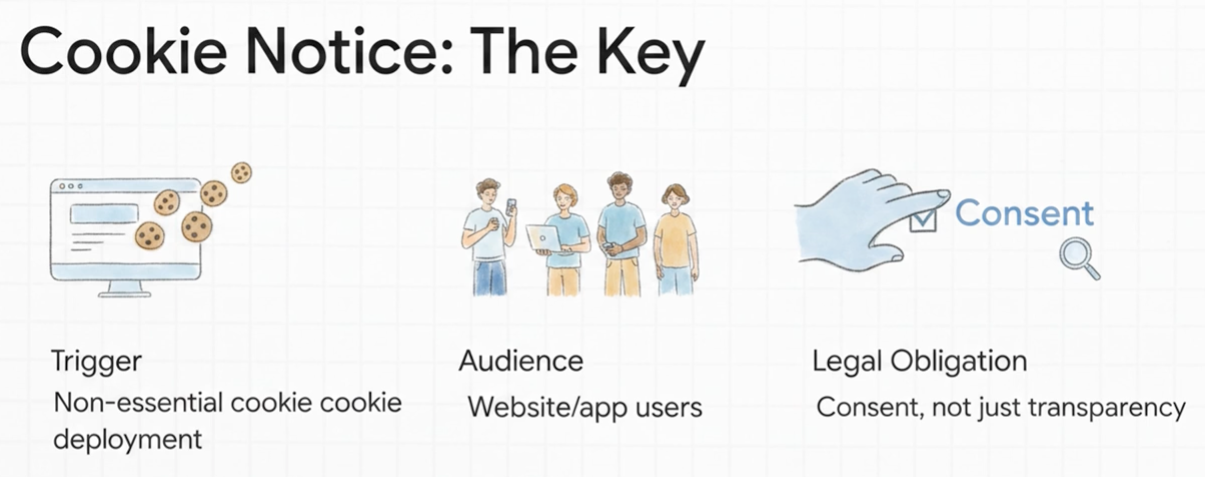
What triggers it: Any deployment of cookies or similar tracking tech on a website or app — specifically those that aren't strictly necessary for the service to function.
Audience: Website visitors, app users — anyone interacting with a digital touchpoint.
Legal obligation: Consent. Not transparency — consent. This is the critical distinction. Under the ePrivacy Directive, GDPR, and equivalents like India's DPDPA consent framework, you need affirmative, granular, and revocable consent before non-essential cookies fire. A notice that merely informs without capturing and recording valid consent is a non-compliant cookie notice. The consent must be as easy to withdraw as it was to give.
Common failure mode: Consent banners that default to "Accept All" pre-ticked, or that make rejecting cookies harder than accepting them. This is not a notice problem — it's a consent manipulation problem dressed up as one.
2. Collection Notice (Point-of-Collection Notice)
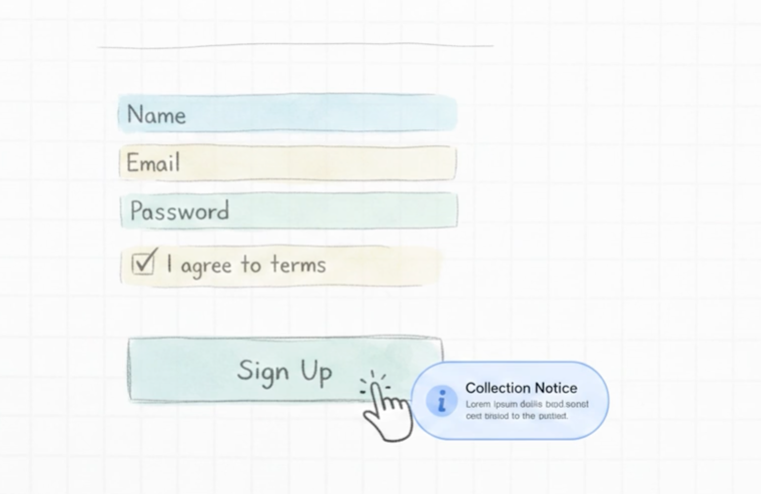
What it is: The notice provided to a data subject at the moment their personal data is collected — or, where data is obtained indirectly, before processing begins.
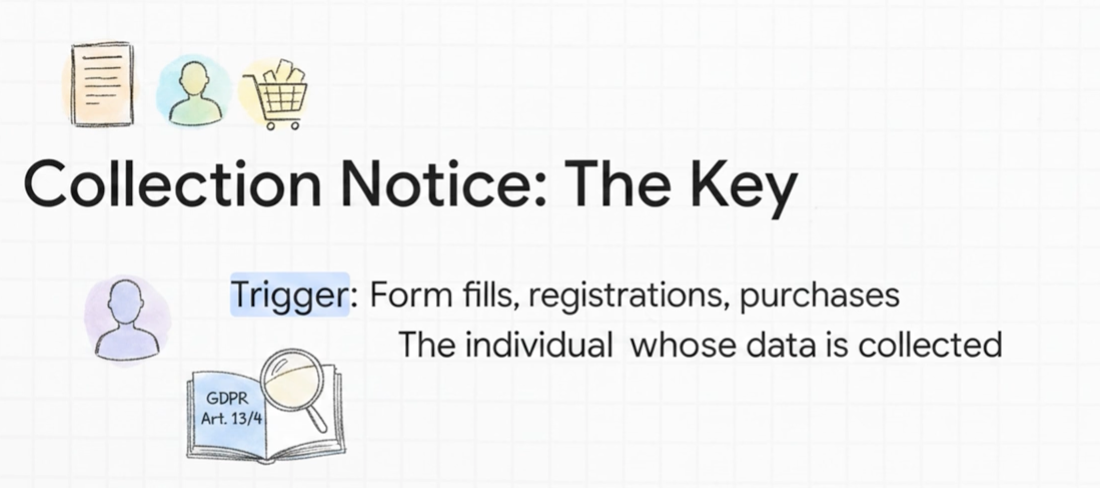
What triggers it: Any collection of personal data — form fills, registrations, purchases, lead generation, API integrations, third-party data acquisition.
Audience: The individual whose data is being collected — customer, prospect, platform user.
Legal obligation: Transparency. Under GDPR Articles 13 and 14, you must inform data subjects of: the controller's identity, the purpose and legal basis for processing, retention periods, their rights, and whether data will be shared with third parties. India's DPDPA Section 5 mirrors this with its notice requirements tied to consent. The obligation exists whether the data is collected directly or sourced from a third party.
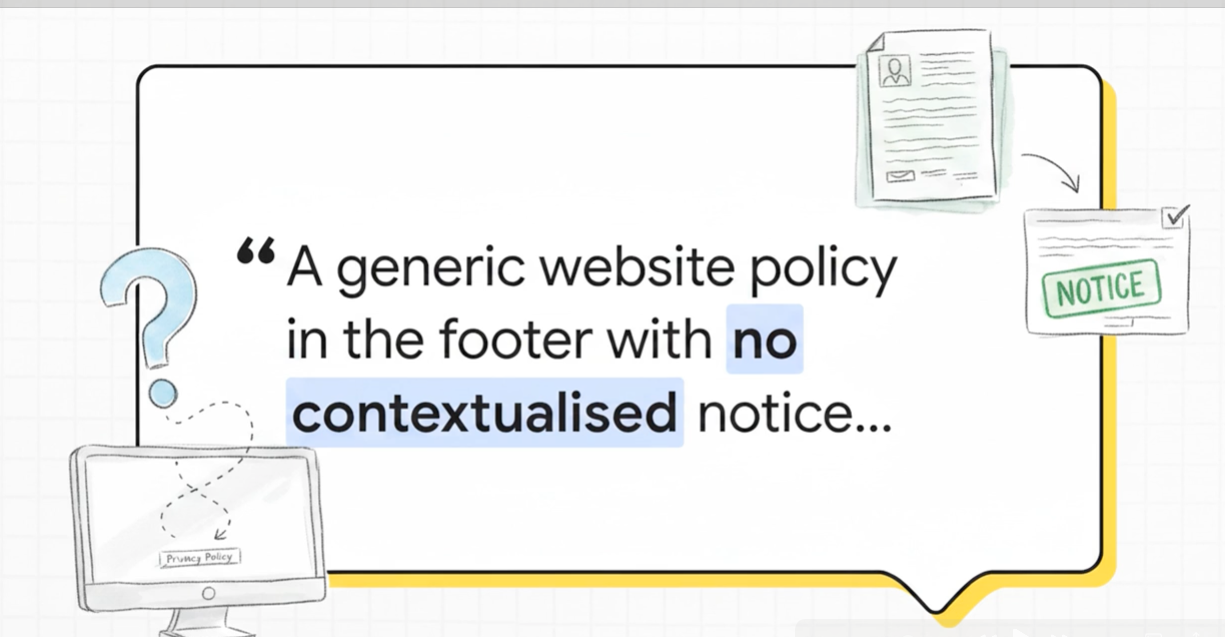
Common failure mode: A generic website privacy policy linked at the footer, with no contextualised notice at the point of collection. Technically non-compliant — the notice must be specific to the processing activity being triggered, not a catch-all document the user has to go find.
3. Employee Privacy Notice (Workplace Notice)
What it is: The notice provided to employees, contractors, and candidates describing how their personal data is processed in the employment context.
What triggers it: Onboarding, change of employment terms, introduction of new HR technologies or monitoring tools, change in data processing activities affecting employee data.
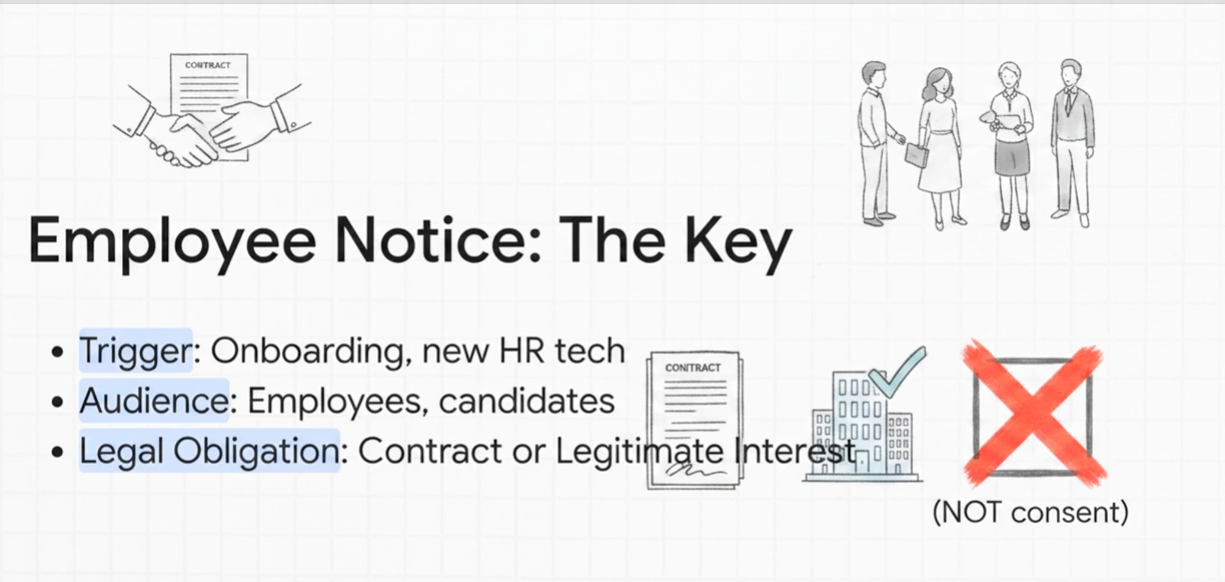
Audience: Employees, contractors, job applicants, former employees (where relevant retention processing continues).
Legal obligation: Legitimate interest or contract — depending on the processing activity. Employment-related data processing is typically grounded in contract performance (payroll, benefits administration) or legitimate interest (workforce planning, security monitoring). Consent is generally not the right legal basis in the employment context because consent cannot be freely given when there's a power imbalance — a core principle under GDPR recital 43 and broadly interpreted across supervisory authority guidance.
Common failure mode: Treating the employee notice as an afterthought, often buried in an HR handbook, updated when tools change but not when data flows change. If your organisation has deployed an AI-based performance tool, an employee monitoring solution, or a new HRIS — and the employee notice hasn't been updated — you have a transparency obligation gap.
4. Data Breach Notification (Mandatory Notice)
What it is: The formal notification issued to affected individuals and/or supervisory authorities following a personal data breach.
What triggers it: A breach of security leading to accidental or unlawful destruction, loss, alteration, unauthorised disclosure of, or access to personal data — where the breach is likely to result in a risk to the rights and freedoms of natural persons.
Audience: Two audiences: the supervisory authority (regulatory notification) and the affected data subjects (individual notification). These are different communications with different timing requirements and different content.
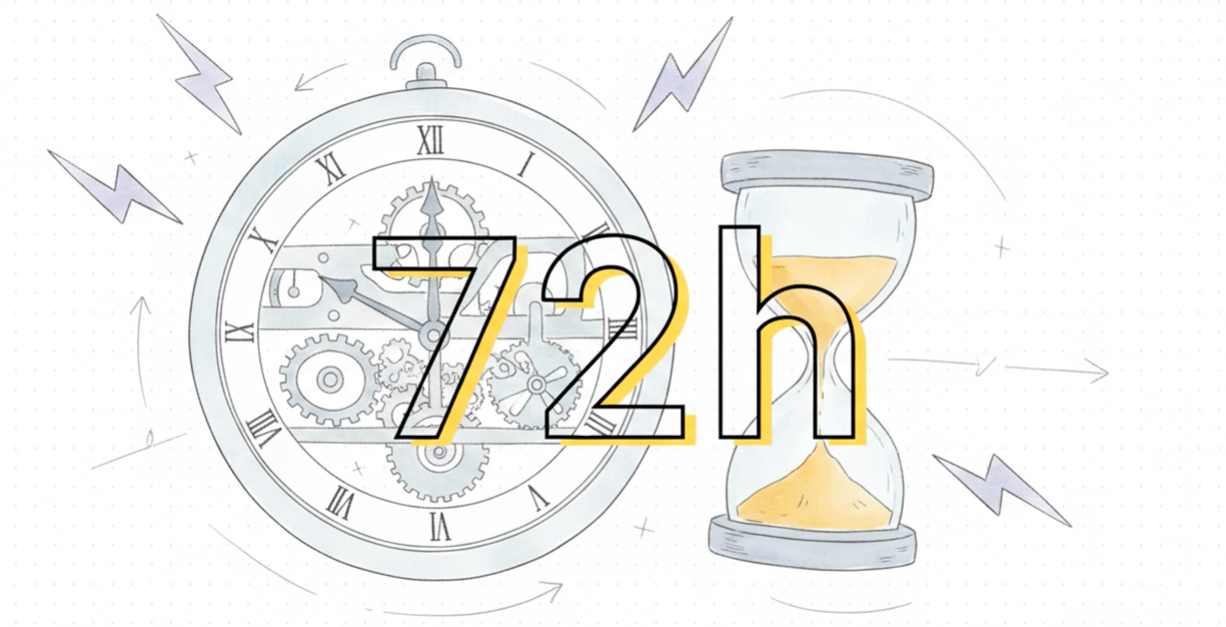
Legal obligation: Mandatory duty. This is not a choice. Under GDPR Article 33, notification to the supervisory authority must occur within 72 hours of becoming aware of a breach. Under Article 34, notification to affected individuals is required where the breach is likely to result in a high risk. India's DPDPA and most equivalent frameworks globally have analogous mandatory reporting windows. Non-compliance is not a transparency issue — it's a direct regulatory violation with material enforcement risk.
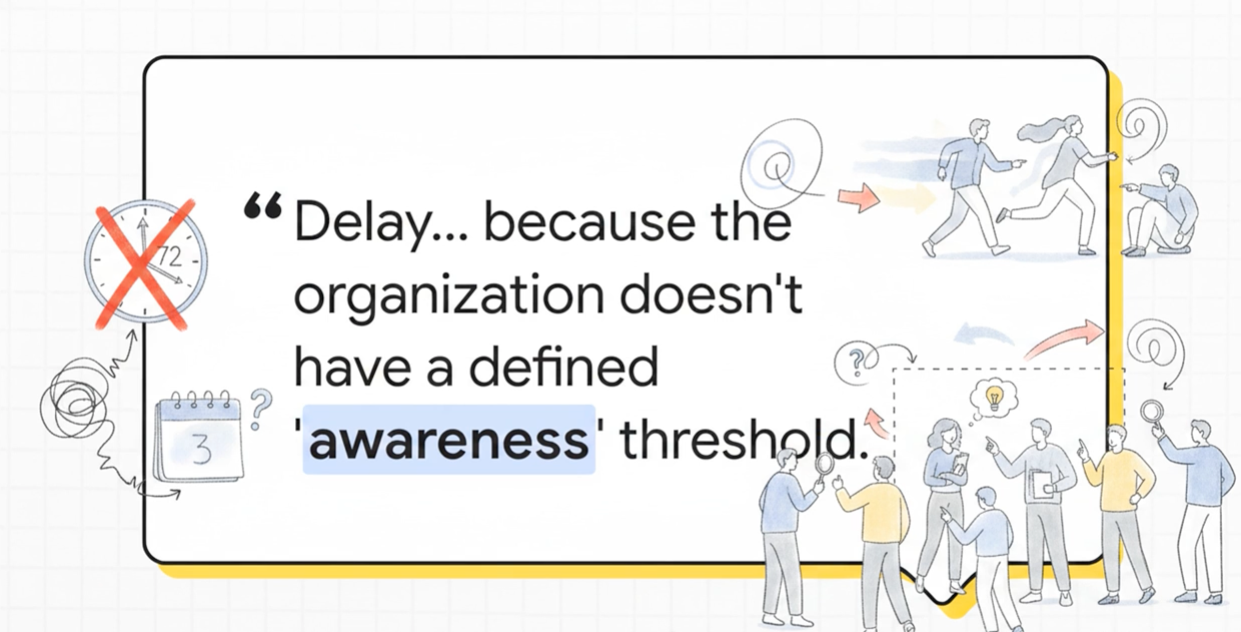
Common failure mode: Delay in escalation because the organisation doesn't have a defined "awareness" threshold. The 72-hour clock doesn't start when legal signs off — it starts when the organisation (reasonably construed) becomes aware. Privacy ops teams that don't own the breach response trigger definition are operating blind.
5. Children's Privacy Notice (Verifiable Parental Consent Notice)
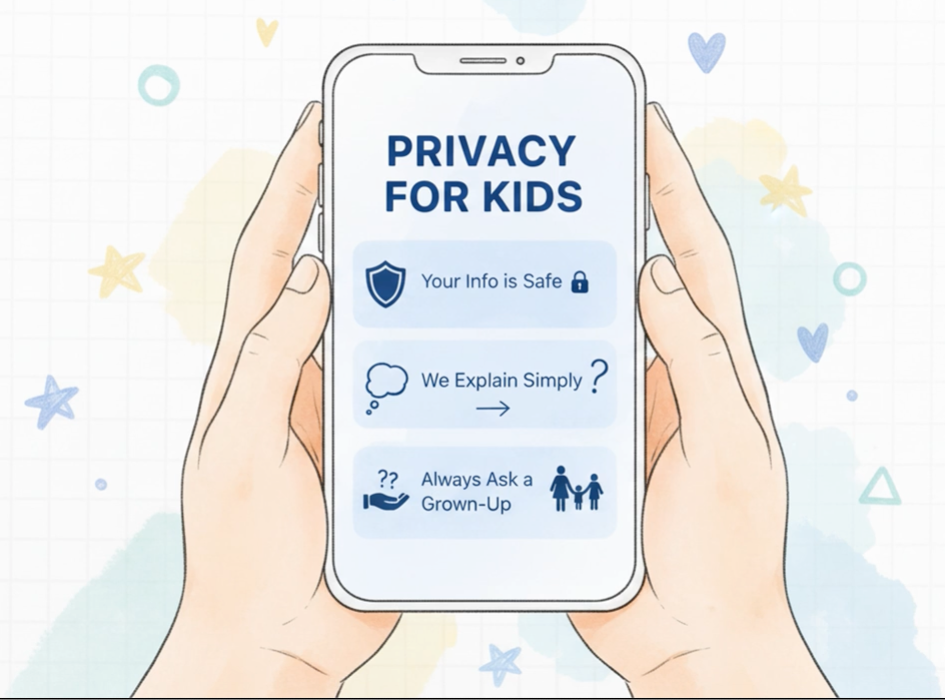
What it is: A specialised notice (and often consent mechanism) required when processing personal data of minors — typically defined as under 13, 16, or 18 depending on jurisdiction.
What triggers it: Any service or platform that is directed at children, or that knowingly collects data from minors. Also triggered when age assurance mechanisms identify a user as a minor.
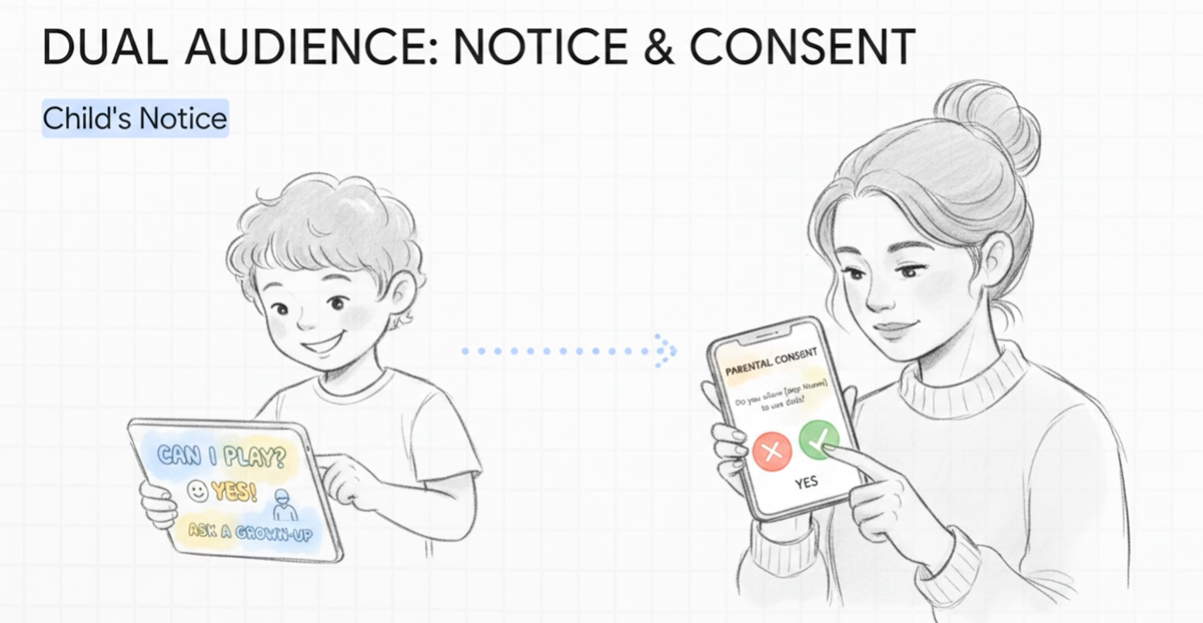
Audience: Children and their parents or legal guardians. The notice must be written at a comprehension level appropriate for the minor — plain, simple, visual where possible — while the consent mechanism must be directed at the verifiable parent or guardian.
Legal obligation: Verifiable parental consent (for under-13 processing in the US under COPPA), or the age-appropriate design framework under UK GDPR / the UK Age Appropriate Design Code, or restrictions on consent age under GDPR Article 8 (member state variation: 13–16). India's DPDPA Section 9 explicitly prohibits processing children's data without verifiable parental consent and prohibits tracking or behavioural monitoring of children entirely.
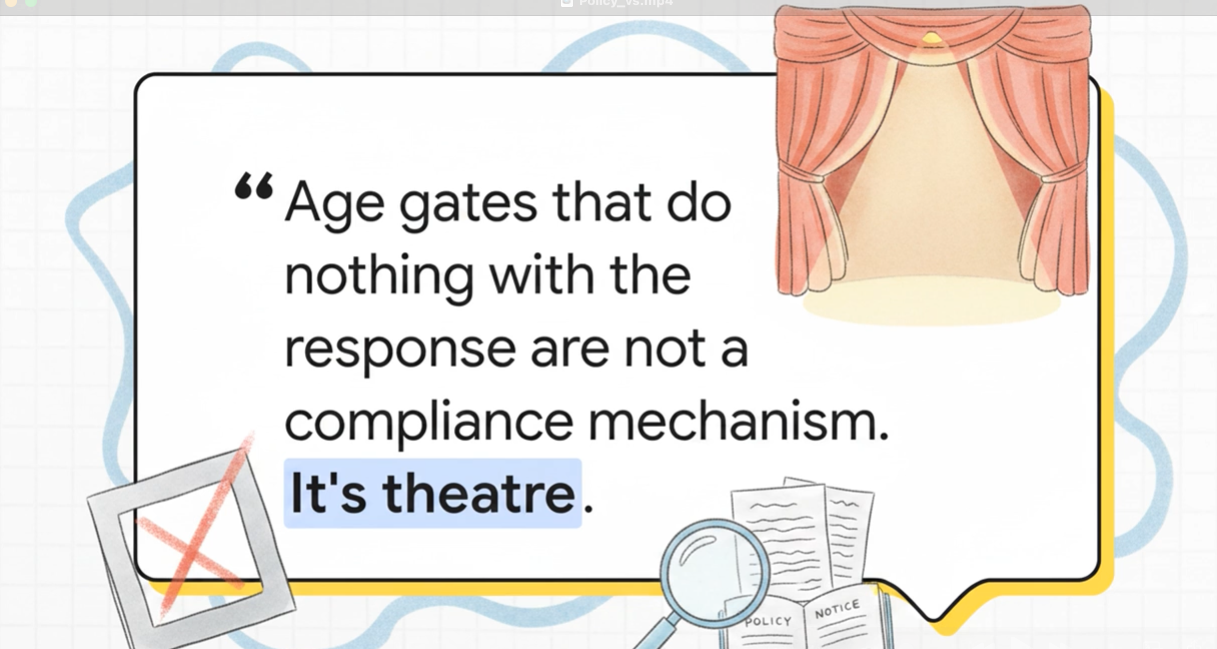
Common failure mode: Age gates that ask "Are you over 18? Yes / No" — and then do nothing with the response. This is not a compliance mechanism. It's theatre. Age-gating requires actual verification infrastructure, not a self-declaration checkbox.
Why Getting the Type Wrong Is a Compliance Gap
This isn't semantic precision for its own sake.
Each notice type exists because a specific legal requirement attached to a specific context. The law doesn't recognise a generalised "privacy notice" — it recognises specific information obligations tied to specific processing scenarios.
Getting the type wrong means:
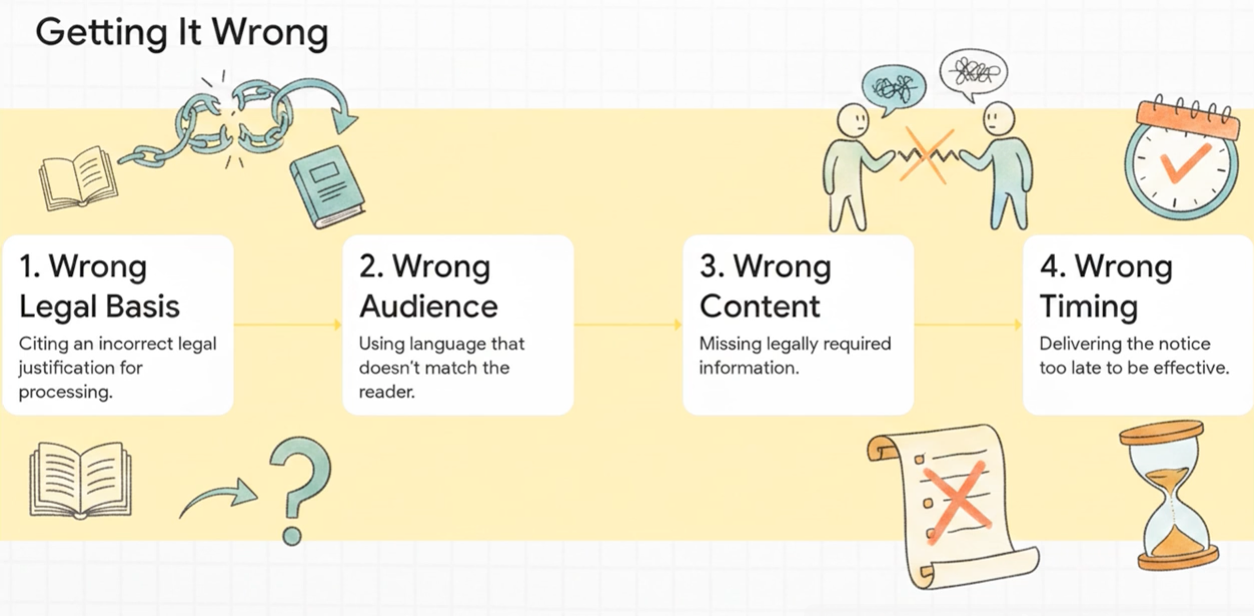
- Wrong legal basis cited for the processing
- Wrong audience addressed (e.g., organisational language in a consumer-facing notice)
- Wrong content requirements met (you disclosed what the collection notice requires but not what the breach notification requires)
- Wrong timing (a cookie notice after cookies have already fired is not a consent notice — it's a post-hoc disclosure)
None of these are hypothetical edge cases. They are the most common audit findings in privacy programme maturity assessments. And they are almost entirely avoidable with a clear-eyed notice taxonomy as your operating baseline.
The Closing Line That Does the Work
Same word. Five completely different legal obligations.
If your organisation has one "privacy notice" covering all of this — or worse, a privacy policy being used as a privacy notice — you don't have a privacy programme.
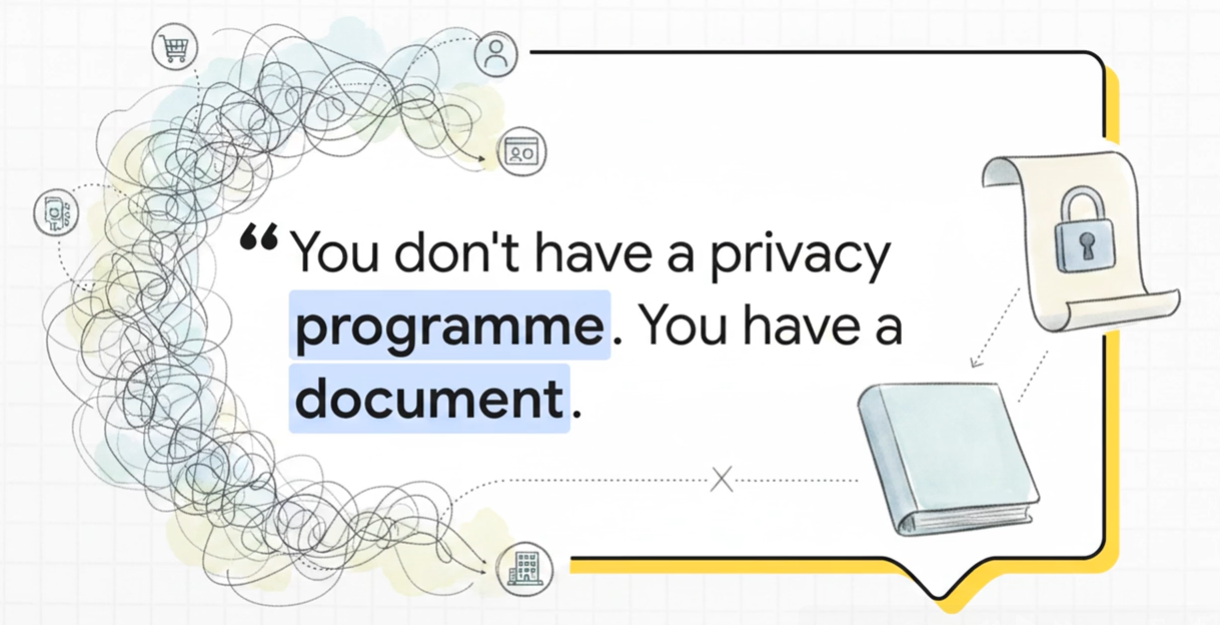
You have a document.
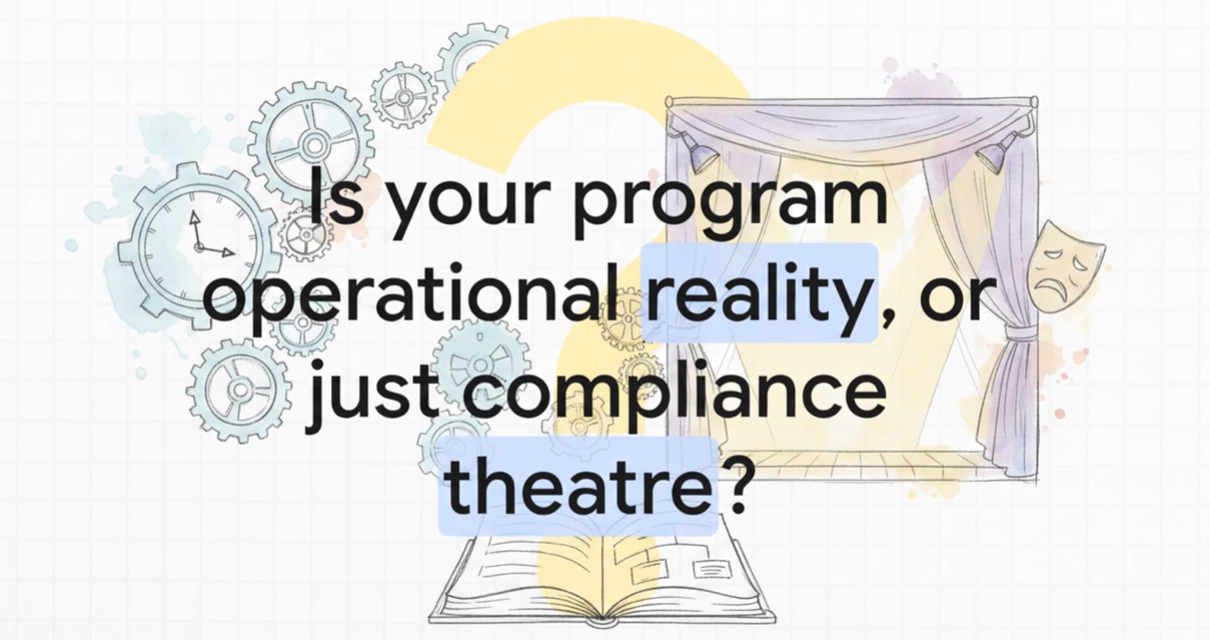
A compliance programme is knowing which instrument to deploy, for which audience, under which legal basis, at which moment in the data lifecycle. That's the work. That's what separates compliance theatre from operational reality.
Check out My LinkedIn Carousel
Devika Subbaiah is a Senior Privacy and AI Governance professional with 15 plus years of actual implementation experience. She writes about privacy operations, privacy engineering, and AI governance for practitioners who want to move from theory to execution.